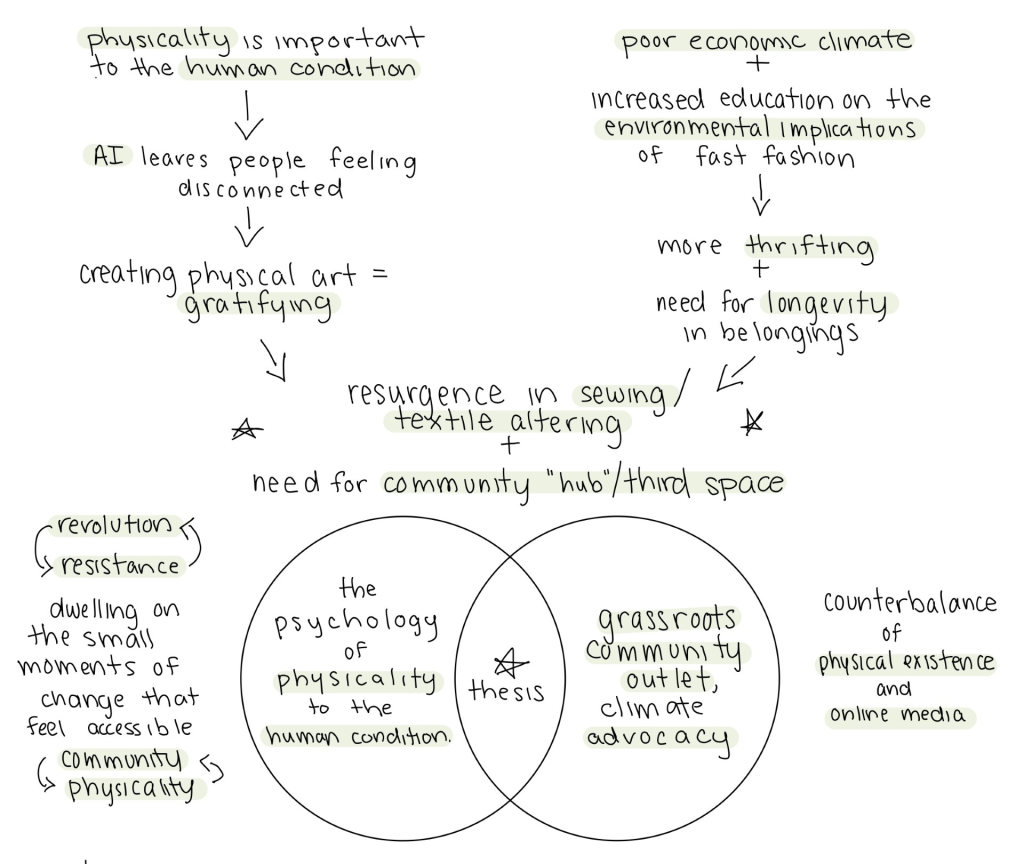
The textile industry is a leading contributor to the world’s climate crisis. By educating the public on the harm of fast fashion and overconsumption, people may be more inclined to prioritize the longevity of their belongings through visible mending and alterations. Simultaneously, the growing availability of artificial intelligence in today’s society leaves many people feeling disconnected from reality, making it hard to tell what’s real and what’s artificial. Learning to sew and mend allows people to ground themselves ‘in the physical’ while also advocating for climate justice and decreased consumption. A sewing education center that weaves climate advocacy principles into the textile industry would promote the physical autonomy of patrons through community interconnectedness and advocacy.
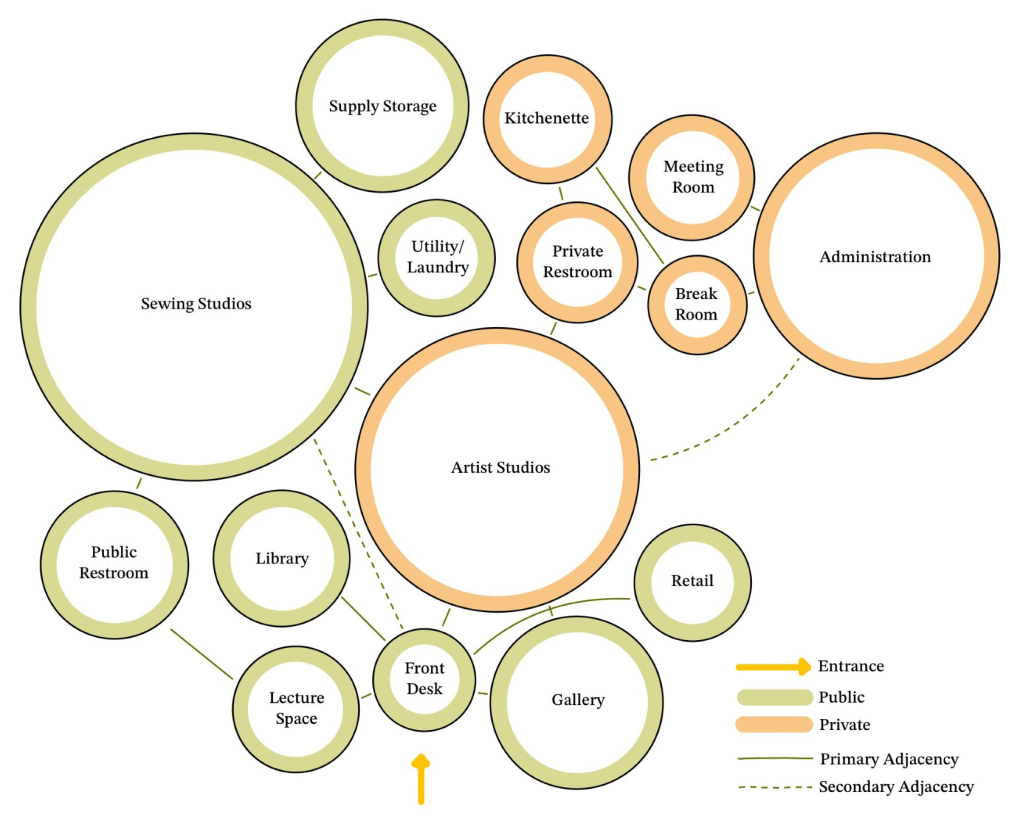
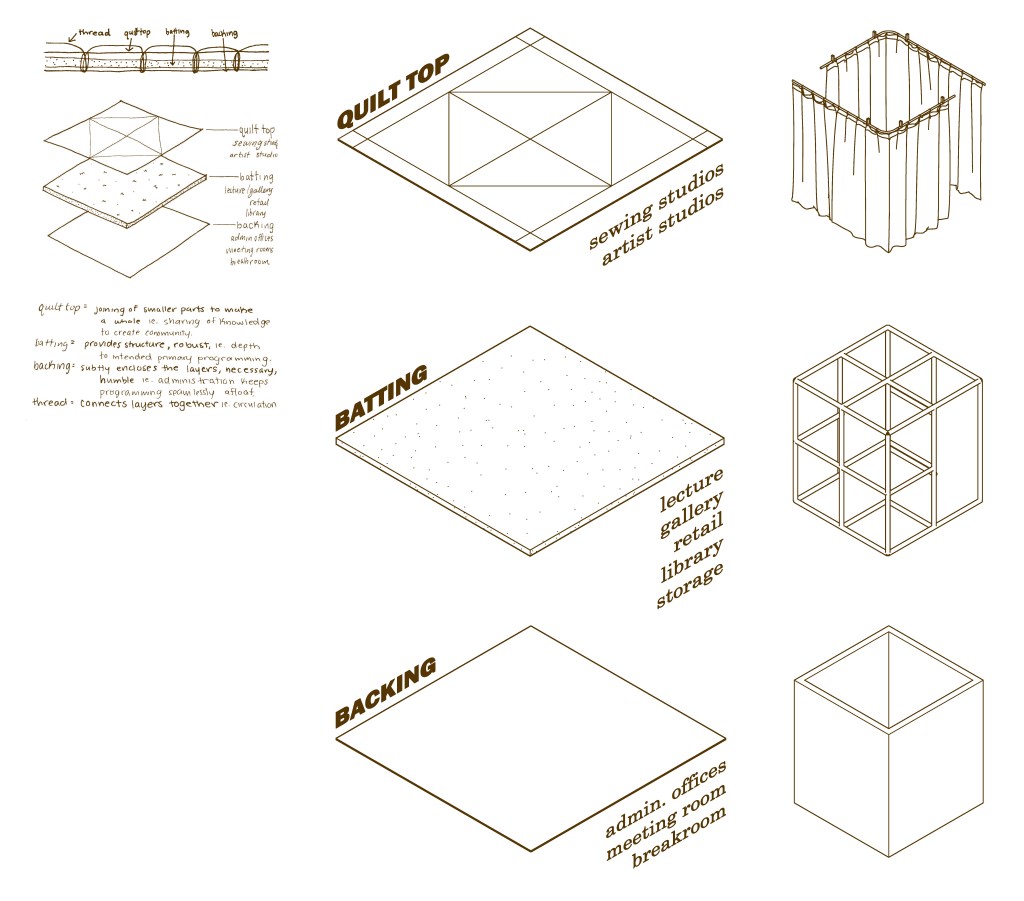
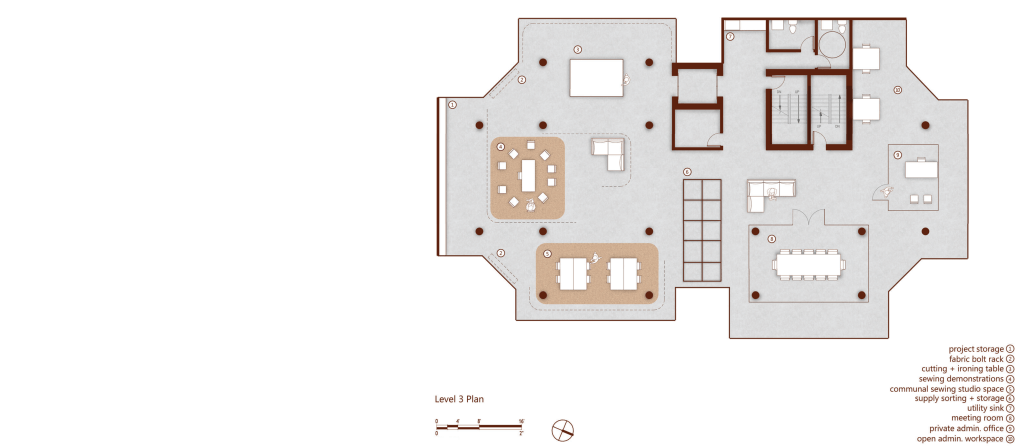
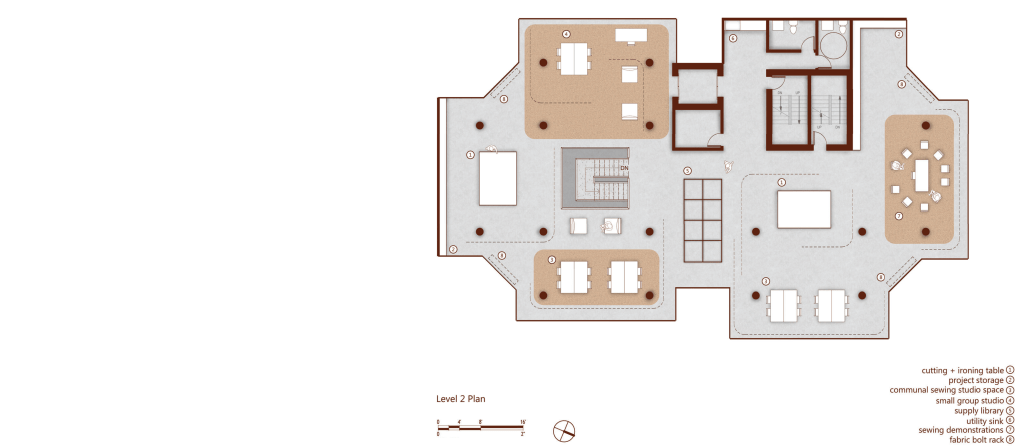
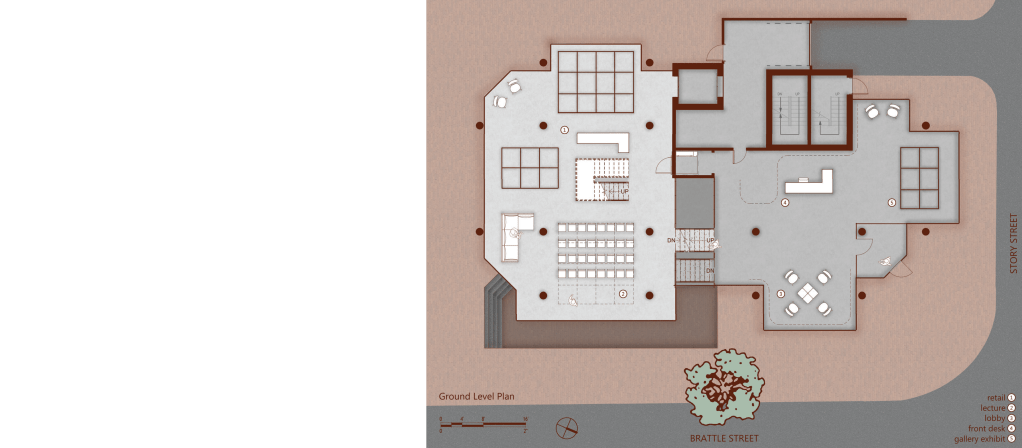
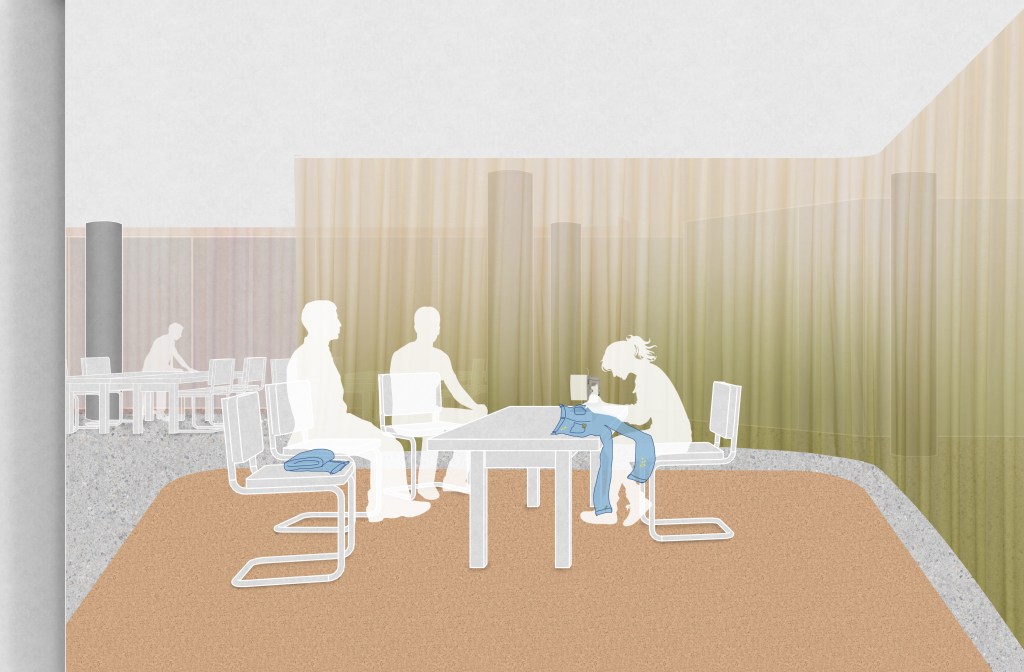
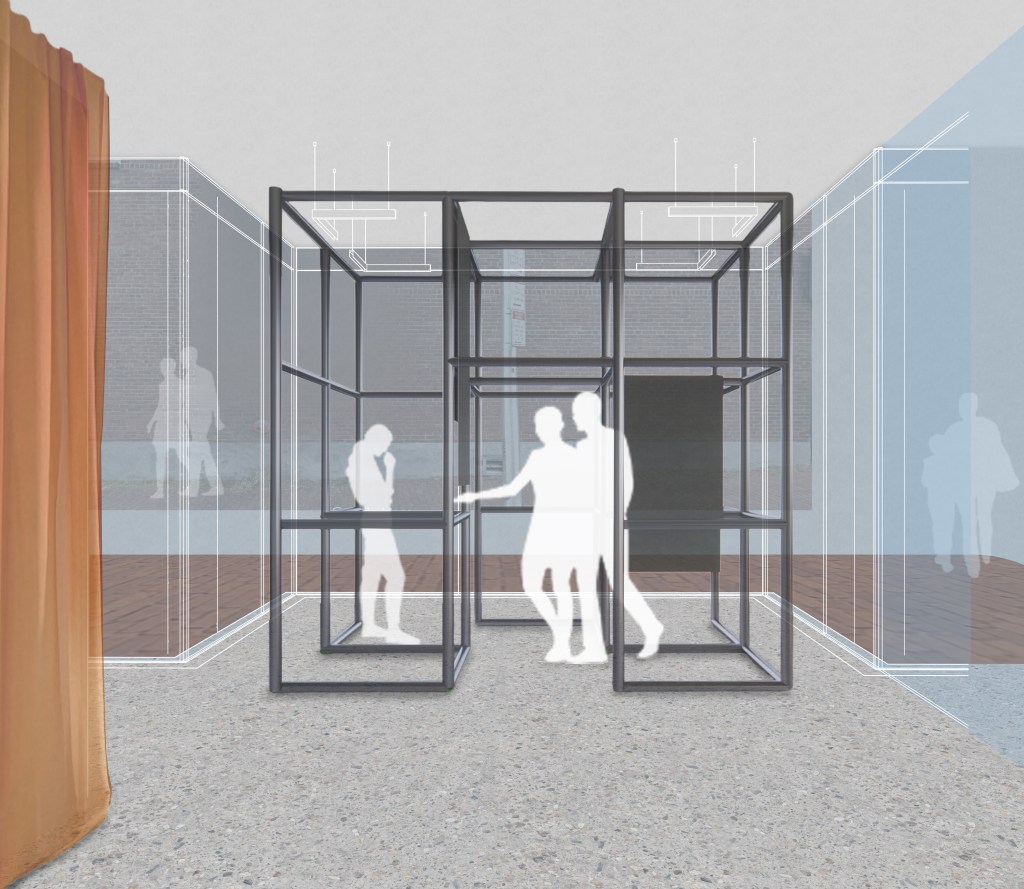
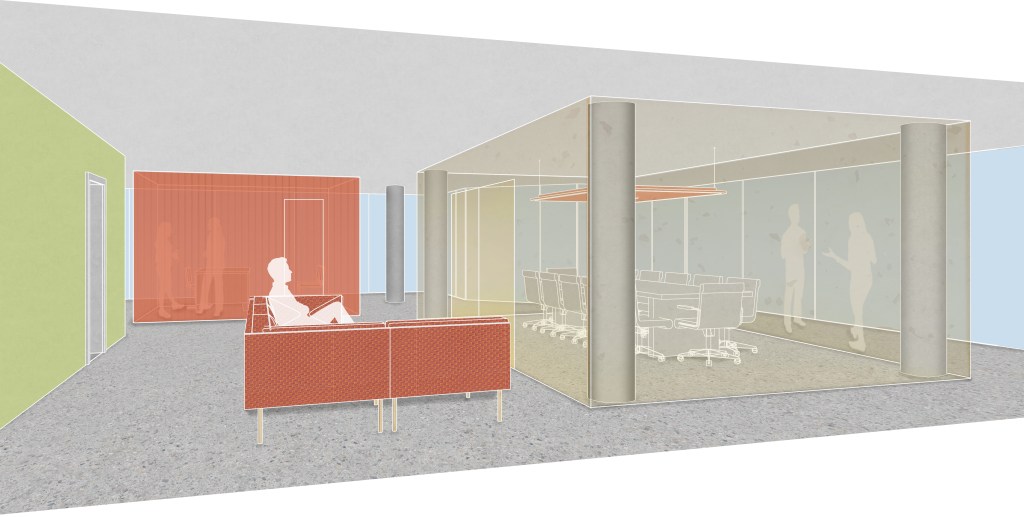
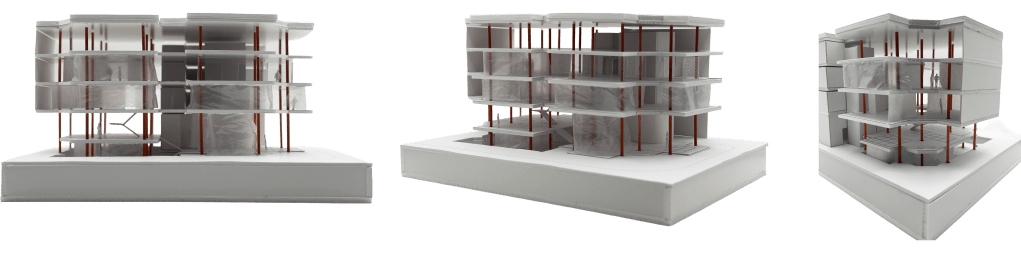
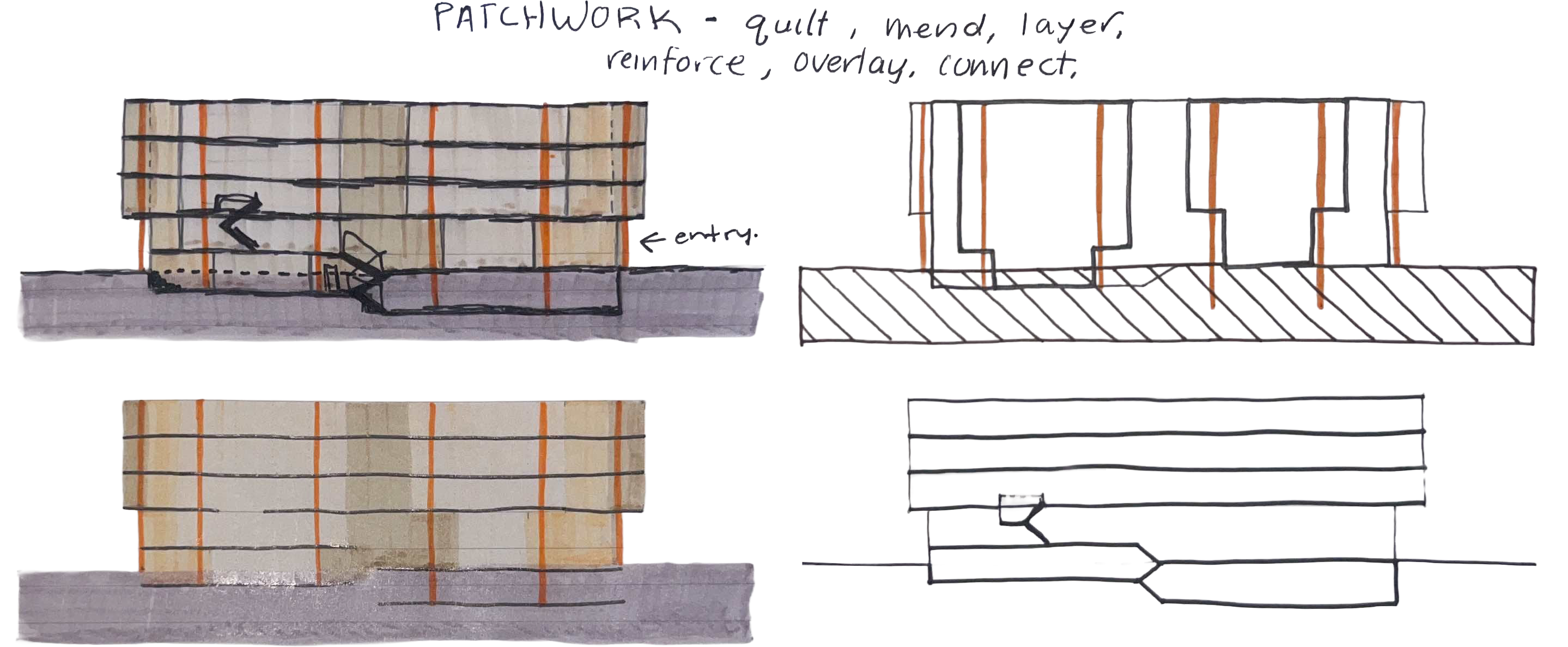
Programming will take the form of a community center with a focus on sewing education. Patrons will be able to attend sewing classes and unstructured sewing studio time. Artist studios will also be available, with an expectation that artists with studio residence will contribute to sewing education programming. The space will also facilitate community events through use of a lecture space, gallery, and retail component.
How can the intersection of the textile industry and the fight for climate justice be challenged to promote personal autonomy through sewing?